

6 hearing aid myths clarified (Part 1)
Hearing is, unarguably, a very important sense. Here’s why.
We rely on hearing for sensing danger, whether that’s a strange noise from the bushes in the woods or a loud crashing sound at night.
Hearing also lets us enjoy some of the most pleasurable experiences in life—engaging conversations, the sound of our favorite piece of music, the rhythmic pitter patter of rain on the roof during a storm.
Since the first hearing aid was invented in 1913, the last century has seen more myths pop up around hearing loss and hearing aids.
Read on as we dispel some of those myths.
Myth 1: My hearing loss isn’t that bad

This is one of the most dangerous myths out there.
While there is a spectrum of how bad hearing loss can be, there is nothing good that comes from it.
Hearing loss in all ages has been linked to everything from depression to increased fall risk to increased decline in dementia.
Why?
Much like the muscles on your body, the parts of your brain responsible for hearing need “exercise”, or they will eventually stop working. Once that happens, it’s hard if not impossible to recover from that.
This is why it is so vital to pay close attention to any drops in the quality of your hearing.
According to HealthyHearing, “it takes people up to 10 years on average to get hearing aids after first being diagnosed with hearing loss.”
Once hearing has started to decline, it only gets worse, not better.
If you’re asking yourself, “Do I have hearing loss?”, schedule an appointment with a certified audiologist or take an online hearing test.
Myth 2: I’ll be too sensitive to noise with Hearing Aids
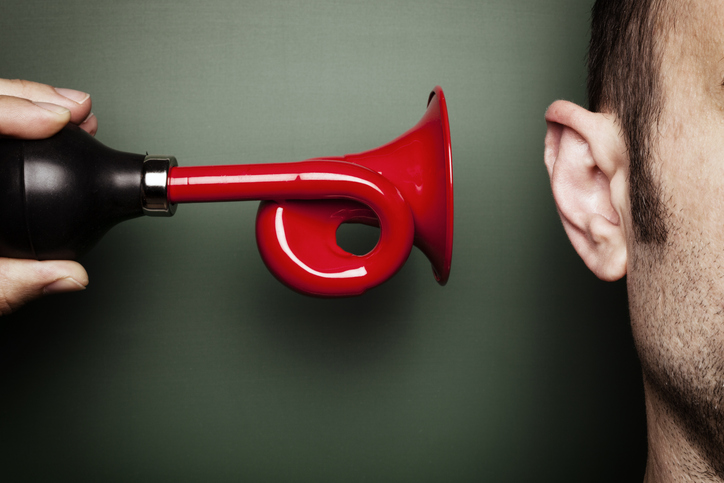
Gone are the days of old where hearing aids were controlled by a finicky dial on the side.
You might be surprised to learn that hearing aids like Vibe come equipped with an app to control your hearing aid with precision.
With your app, you can conveniently adjust volume and sound balance anytime, anywhere with a tap of your finger.
While there is an adjustment period where sounds are experienced differently, over time your brain will adjust and normalize the sounds around you.
You’ll be too busy engaging in lively conversations and listening to music.
Modern hearing aids like Vibe put your hearing back under your control.
Myth 3: Hearing Aids are for “old” people
There is no trying to get around this one.
There is a negative stigma associated with hearing aids.
However, hearing loss has been around as long as humans have and so has this stigma.
According to HearingSystems, “up until the 16th century, it was commonly accepted that individuals with hearing loss also suffered from multiple other disabilities; this led to them being heavily discriminated against.”
But think about it this way:
You wouldn’t get mad at someone with a broken leg for using a crutch. The same should go for someone with hearing loss using a hearing aid.
Plus, Vibe Hearing Aids are virtually invisible, nobody will even know you’re wearing them!
Myth 4: Hearing aids are always so clumsy and noticeable!
Remember cellphones in the ’80s and how gigantic they were? There was even one model made by Motorola in 1988 that was the size of a suitcase.
Fast forward to now and cellphones fit inside your pocket in a way people in the ‘80s would have thought impossible.
In the hundred years since their invention, hearing aids have gone through a similar makeover.
They couldn’t be sleeker, more comfortable, or ergonomic.
For one thing, they certainly don’t look like this anymore!
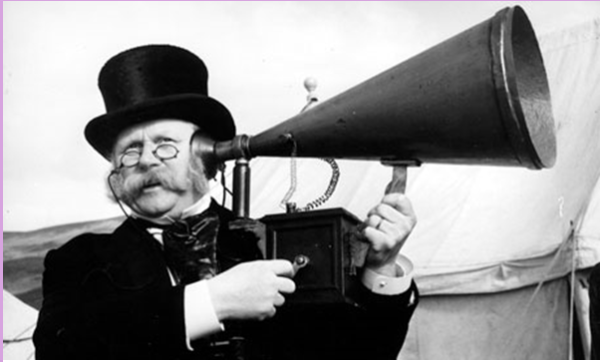
Image Source: The History of Hearing Aid Technology (fallsofsound.com.au)
Most modern hearing aid models that fit inside the ear canal are nearly invisible.
Image of the virtually invisible Vibe Air in the ear.
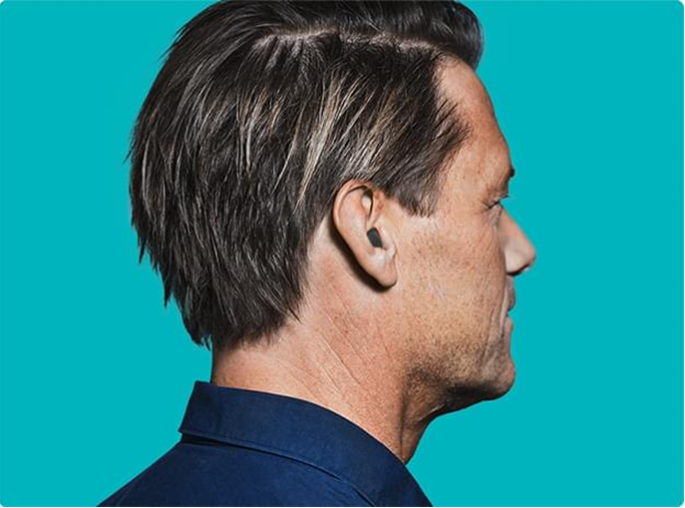
Vibe Air is an invisible, state-of-the-art, hearing device that’s so small that even your closest friends and family won't notice it.
Myth 5: My good ear will make up for my bad one
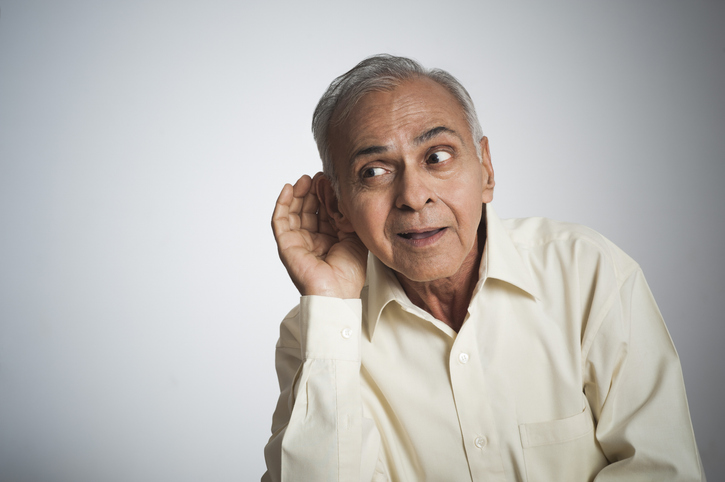
If you’re only experiencing unilateral hearing loss (a reduction in hearing on one side) that doesn’t mean that you shouldn’t explore getting a hearing aid to help.
The Cleveland Clinic notes that “our brain “hears” best when it receives input from both ears...input from both ears allows our brain to separate speech from background noise to hear better in noisy places, such as restaurants, classrooms and social gatherings.”
Likewise, some of the unique benefits of our sense of hearing can only be done when hearing in both ears is functioning properly.
According to Dr. Thomas Tedeschi, Au.D., Chief Audiology Officer of middle ear at Miracle-Ear notes that these include the ability to:
Detect where a sound is coming from (sound localization)
Hear and understand speech—especially in crowded, noisy environments
Hear clearly and loudly (the sound may be muffled, and the volume diminished)
Tune out background noises
We’ve already mentioned this but this point is so important that it bears repeating:
There is no good that comes from any kind of hearing loss.
Myth 6: Hearing Loss is just a normal part of aging
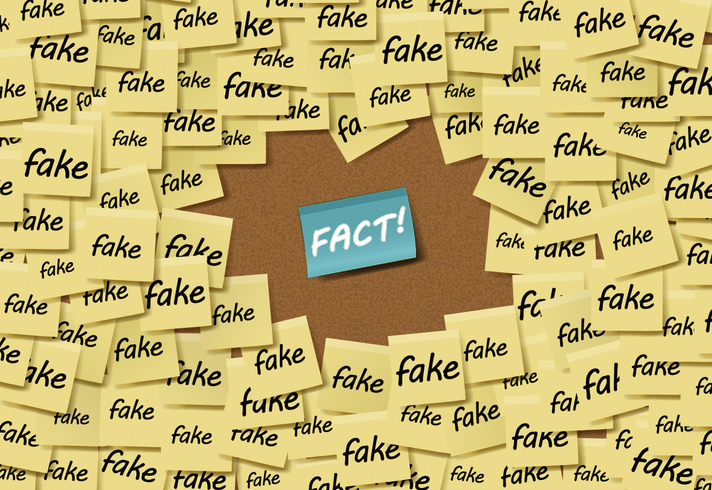
Okay, so this one isn’t so much a myth as it is a fallacy.
One thing that is undeniably true: Hearing loss due to aging (known as presbycusis), is fairly common.
Statistics on hearing loss from Johns Hopkins shows that one in three adults over age 65 has hearing loss.
But that’s not the full story.
Just because hearing loss in older adults is common doesn’t mean it should just be accepted as a matter of fact and suffered through.
With so many hearing devices available, there is undoubtedly one that fits seamlessly into your daily life, your budget, and personal preferences.
Conclusion
These are just a few of the myths circling around hearing aids.
Vibe Hearing is here to break through the ageism and falsehoods surrounding hearing loss to help make great hearing easier than ever.